The power of nature is that some of the most effective treatments that can help treat conditions and boost overall health and wellbeing are often somewhat familiar, albeit enhanced through their use in specialist IV treatment.
One huge example of this is curcumin, which is one of the most potent systemic anti-inflammatory compounds out there, as well as being a very effective antioxidant.
What makes curcumin so effective and interesting is that many people have some experience with it, even if they might not realise it.
What Is Curcumin?
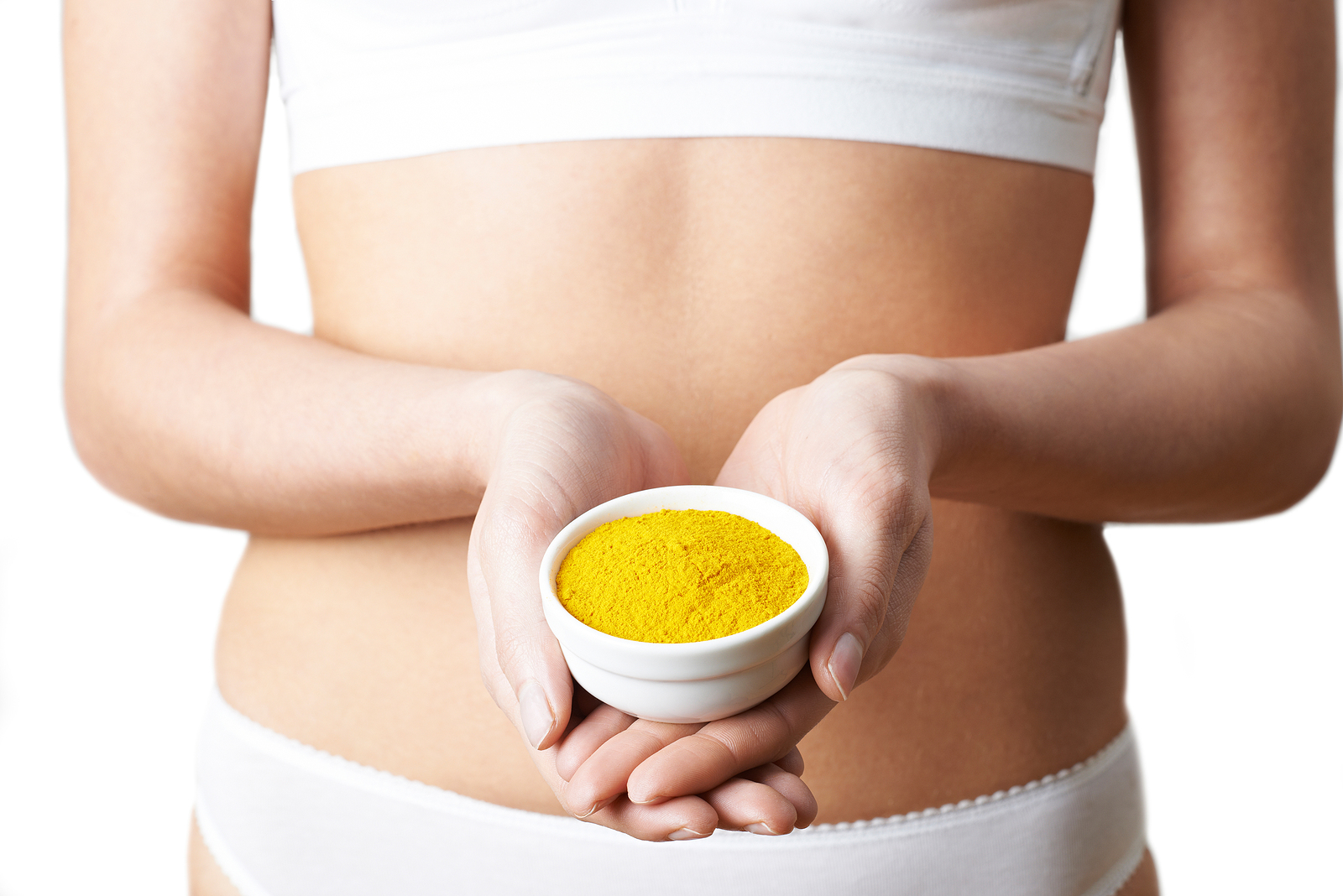
Curcumin is a polyphenol compound that is commonly found in turmeric, the bright yellow spice that gives curry its characteristic look.
Turmeric has been used for centuries in various natural medicine traditions alongside its use as a dye and food colouring, and curcumin is the main compound that provides that characteristic yellow hue.
It first originated in Asia and has been used in India, China and Southeast Asia for hundreds, if not thousands of years, before it started to be imported into Europe, where it was often known as “Indian saffron” due to its colour.
It is part of the ginger family, and because of this, it has been linked to various potential medical benefits both in traditional medicine and in various health studies. This is also the reason for its slightly bitter, earthy and mustard-like flavour tones when eaten as part of food.
What Are The Benefits Of Curcumin?
A lot of people are aware that turmeric has anti-inflammatory properties, but few realise just how powerful these benefits are, and how it can potentially help with several inflammatory conditions, both acute and chronic in nature.
A study exploring its effects on ulcerative colitis found that whilst it was not necessarily a treatment that would stop an active inflammation flare-up, it could help to prolong remission and reduce the severity of pain associated with inflammatory conditions such as osteoarthritis.
In particular, curcumin can help to reduce the inflammation that is linked to autoimmune conditions and injuries that cause swelling, lessening the effects and lengthening the time spent avoiding pain.
It helps to battle free radicals not only due to its own well-known antioxidant properties but also by stimulating the effects of other antioxidants and using that combined force to reduce the effects of oxidative stress.
As well as this, it can induce detox pathways, which can help improve gut and particularly liver health by improving the processing of toxins and reducing the chronic effects that they can have on the body.
It has also been linked to improved cardiovascular and pancreatic function, although the extent to which it can promote improved heart health is an active focus of medical research.
Finally, turmeric and curcumin both have antibacterial, antifungal, antiviral and general antimicrobial properties.
Why Use IV Therapy?
Many people eat curcumin through its use as a spice, a food colouring or as a dietary supplement, but the issue with this is that eating turmeric is not the best way to enjoy its health benefits.
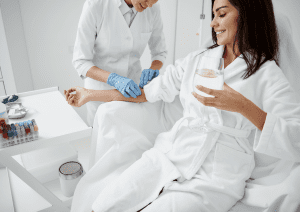
Some people have tried mixing it with black pepper to improve its bioavailability, but a targeted IV therapy helps to enhance its effects by skipping the stomach and digestive system.